


The line between 'not listed' and 'does not fit' matters here. A missing chart entry means the maker did not name the pair, while a clear no means the maker said the pair will not work, and this site keeps those verdicts separate with source dates attached.
If you already own a stroller or a seat, the next step is to check the exact pair page and the adapter notes before you buy the other half. That is the fastest way to see whether you need the stroller-side fit chart, a named adapter, or a plain no-answer from the maker.
- Why Closed Ecosystems Matter Before You Buy
- Chicco's Own Materials Point to an Own-Brand Ecosystem
- Graco Publishes No Cross-Brand Path for the SnugRide
- What the Verdicts Mean for Stroller and Seat Pair Pages
- What Parents Should Do If They Already Own One Half of the System
- Frequently Asked Questions
- Conclusion
Why Closed Ecosystems Matter Before You Buy
Parents usually start searching when the registry is already open and the due date is close. At that point, the useful question is simple: will this stroller work with the seat you already own, or will you need a matching brand seat or adapter?
A closed ecosystem means the brand only documents its own seats, or it only gives adapter support inside its own family. That is why pages like the stroller-side Graco SnugRide hub and the stroller-side Chicco KeyFit hub matter, and why shoppers should read the brand's own official pages before they buy.
This page uses manufacturer materials and official answers, not retailer listings or guesswork. That matters because a missing chart entry is not the same as a no, and the difference is part of how the site records each pair page.
If you are still learning the shopping terms, see what counts as a travel system and where adapters fit in, then compare that with when an adapter is required versus when a direct fit is enough and why a missing chart entry is not the same as a no.
Chicco's Own Materials Point to an Own-Brand Ecosystem
Chicco’s own materials keep the fit path inside the brand family. On the stroller side, Chicco documents its own strollers and its own seats, and it does not publish a cross-brand path there. For shoppers comparing options, that means a missing outside seat name is not treated as a yes.
That matters when you are checking a pair page and trying to tell the difference between a true fit and a gap in the chart. The site treats Chicco’s closed setup the same way it treats any other brand-sourced gap, with the source date shown on the verdict and no guesswork added.
There is one more reason to be careful here: the UPPAbaby Chicco adapter 0156 seat list should not be treated as verified. The Vista hub still carries no Chicco KeyFit row, so it does not give a checked cross-brand answer for this brand family.
Graco Publishes No Cross-Brand Path for the SnugRide
Graco’s official materials point shoppers to Graco-only pairings. On its own compatibility pages, the brand documents Graco seats with Graco strollers and wagons, and I found no published cross-brand path for a SnugRide on another stroller.
That absence matters because it is more than a blank spot in a chart. When a brand’s own material stays inside its own seat and stroller family, this site treats the result as not listed, not as a fit claim, which is the same rule used in the stroller-side Graco SnugRide hub and in the article on when a missing chart entry is not the same as a no.
Graco does list one adapter SKU in this family, but it is own-brand only, the part used to place Graco seats on the Graco Modes Adventure wagon. It is not a cross-brand adapter, and Graco does not publish a supported path for using a SnugRide on another brand’s stroller.
For shoppers, that means the safe next step is to check the exact stroller and seat pair before buying anything extra. If the pair is not listed, the site will keep it as not listed until a manufacturer source says otherwise, rather than guessing from a generic adapter listing.
What the Verdicts Mean for Stroller and Seat Pair Pages
These pair pages use four verdicts, and each one comes from a source line, chart row, or official answer. what counts as a travel system and where adapters fit in and when an adapter is required versus when a direct fit is enough explain the setup side of that split, while this site turns the manufacturer wording into a plain result: fits, fits with a named adapter, does not fit, or not listed.
A closed ecosystem can still produce more than one outcome. If a brand publishes a supported path, the page says fits or fits with a named adapter. If the brand says a pairing does not work, the page says does not fit. If the brand never names the pairing at all, the page stays with not listed, which is a sourcing result, not a guess.
That is why source notes and check dates sit on every verdict. The result does not change because a stroller or seat has a higher margin, a better sale, or a commission tie-in, and a missing chart entry is still different from an explicit no.
For readers comparing brands, the cleanest rule is simple, match the wording to the source. A brand-siloed chart may give you a direct fit, a named adapter, or a blank cell, and the blank cell is where the site keeps the difference between silence and a true incompatibility.
What Parents Should Do If They Already Own One Half of the System
Before you buy anything else, confirm the exact stroller model and the exact infant seat model. Then check the manufacturer source first, and only after that move to the relevant pair page or brand hub, like Travel System Guides, if you need the broader path.
If the stroller brand keeps its fit data inside its own family, treat that as a strong sign to wait on any adapter purchase until the source names one. That matters most when you are comparing a closed stroller side with a seat you already own, because the seat may still travel on other brands' strollers through stroller-maker adapters.
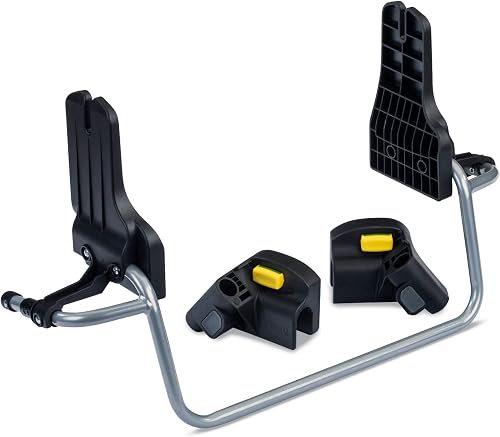
For a Chicco KeyFit, the stroller side can still open up through other brands' adapters when the stroller maker documents it, such as the UPPAbaby Chicco adapter 0156 on a Vista, the Mockingbird M1925 Chicco variant, or the Thule Universal/Chicco adapter 20110762. A Graco SnugRide can work the same way on other brands' strollers when the stroller maker names the part, such as Baby Jogger 1967362 on a City Select 2 or BOB S12045400 on BOB single strollers.
If you are trying to sort the next step, use the source first, then the exact pair page, then the brand hub. That keeps you from buying an adapter for a stroller side that the maker never approved, while still leaving room for a seat that fits elsewhere through a named adapter.
Frequently Asked Questions
Can I Use a Graco SnugRide with a Chicco Stroller?
No manufacturer source in this article names that fit. Chicco's materials point to its own seats, and Graco publishes no cross-brand path for the SnugRide. Check the exact pair page before you buy an adapter.
Can I Use a Chicco KeyFit with a Graco Stroller?
No manufacturer source in this article names that fit either. Graco's official materials give no supported cross-brand path for its strollers, so the pair stays not listed unless Graco publishes one.
Does Not Listed Mean the Seat Does Not Fit?
No. Not listed means no manufacturer source names the fit. Does not fit is a separate verdict, used only when a manufacturer states the pair does not fit.
Conclusion
Chicco and Graco each keep the answer inside their own official pages. If the seat name is not in the stroller maker's own list, do not treat the pair as a fit, and do not buy an adapter on a store listing alone. Check the exact models and the source date on the pair page first.
When the maker does name a fit, the pair page will say so, with the adapter name and the check date. When it does not, the page stays at not listed. That blank is a limit on the evidence, not a guess about the hardware. Start from that line, then check the lock-in index for closed ecosystems before you commit to one half of a system.